Earth Rough
On circular materials and processes
Batul Al-Bakaa - Kinza Saidi - Shakthi Bhargavi Brahmapuram Selvaraj - Thomas-Baptiste Avella Shaw - Victoria Martens - Batul Al-Bakaa - Kinza Saidi - Shakthi Bhargavi Brahmapuram Selvaraj - Thomas-Baptiste Avella Shaw - Victoria Martens - Batul Al-Bakaa - Kinza Saidi - Shakthi Bhargavi Brahmapuram Selvaraj - Thomas-Baptiste Avella Shaw - Victoria Martens -
Earth Rough
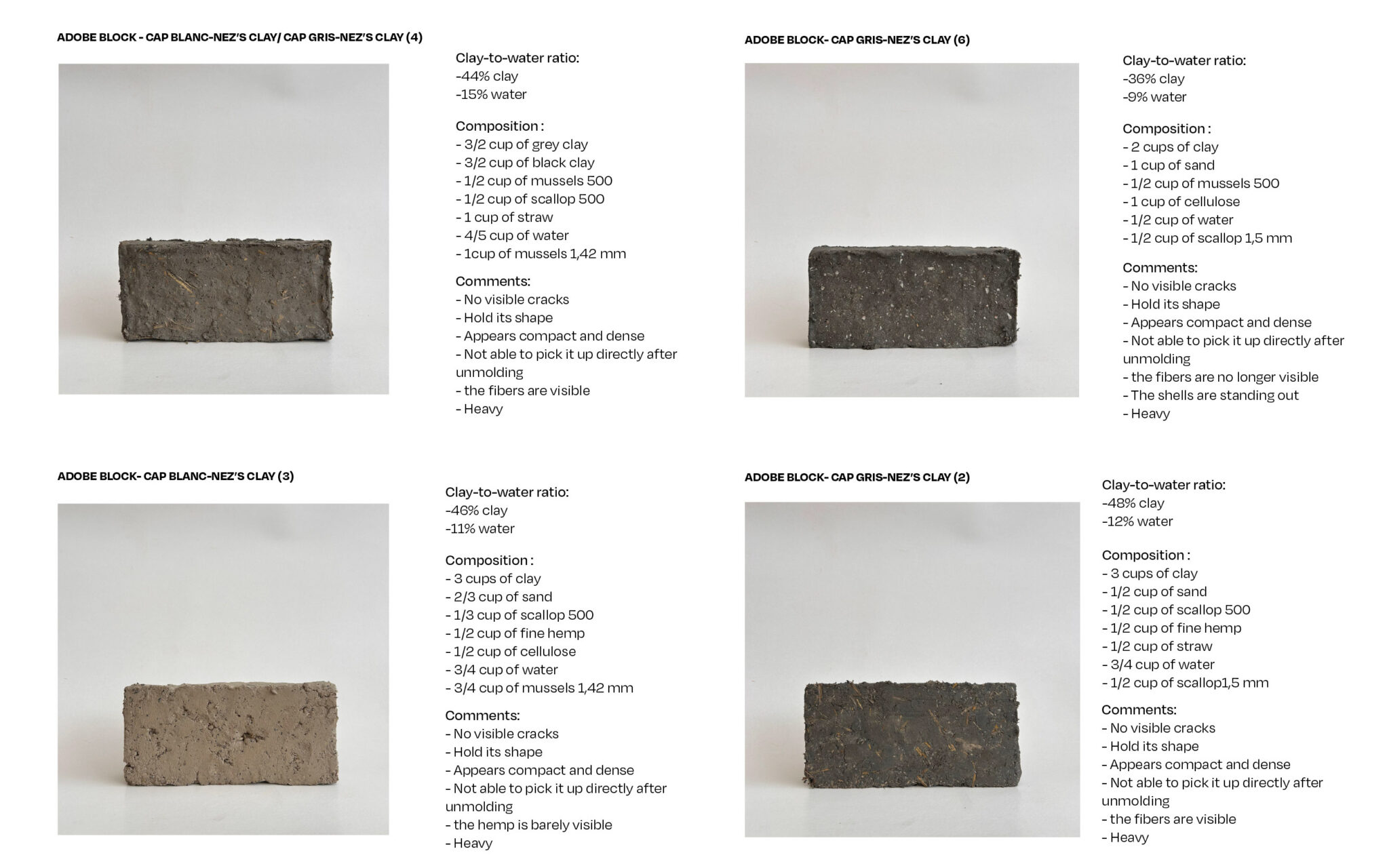
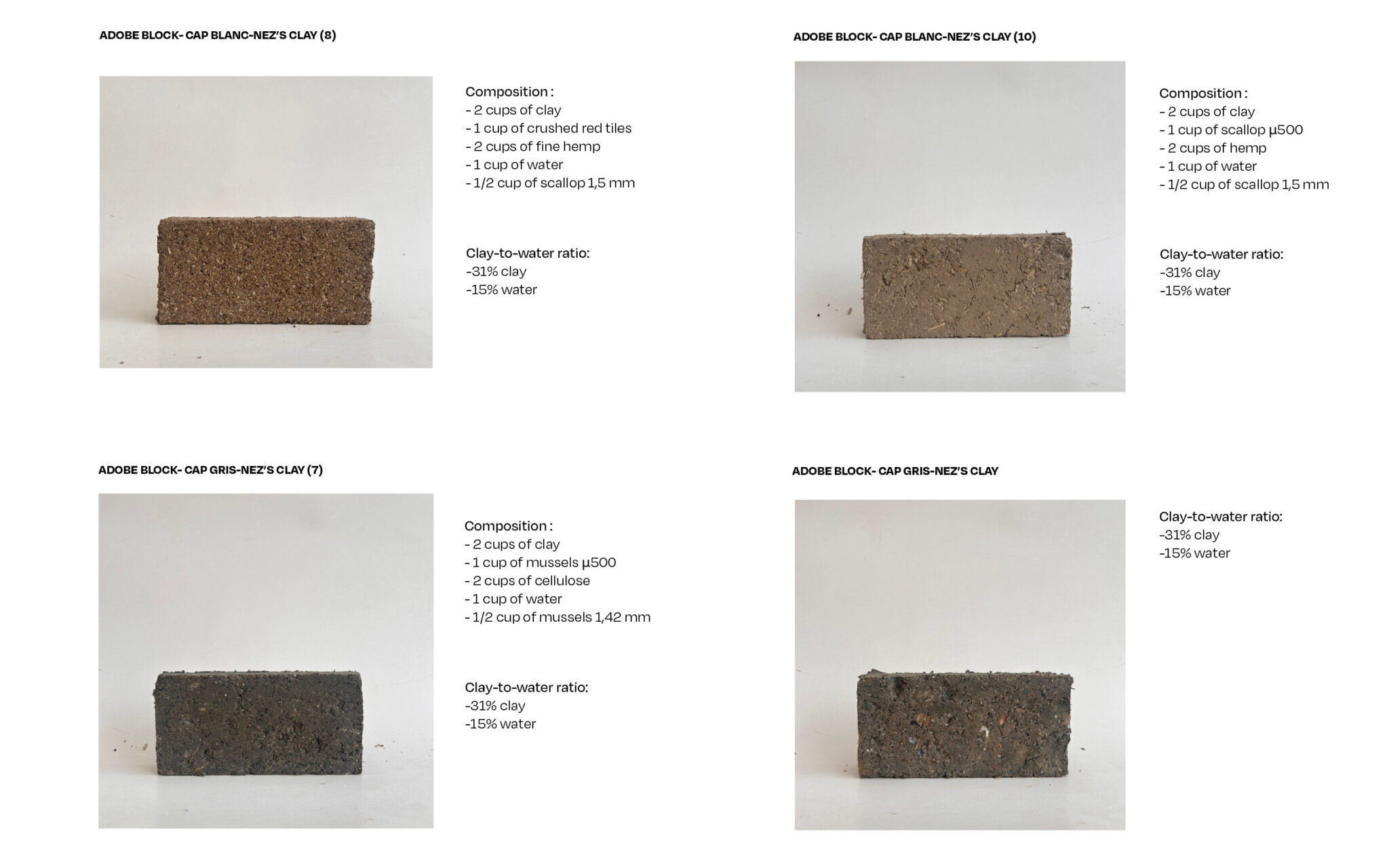
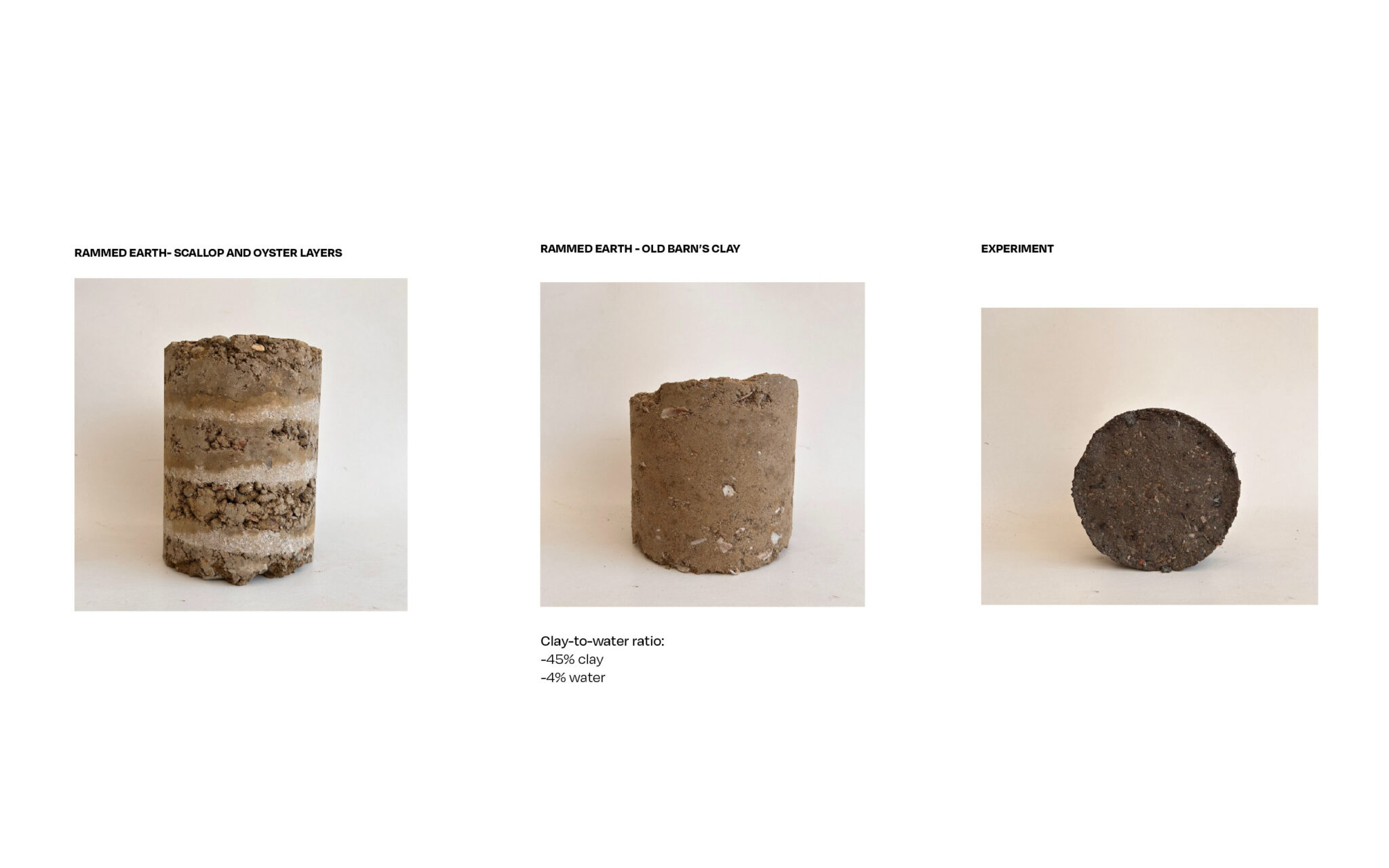
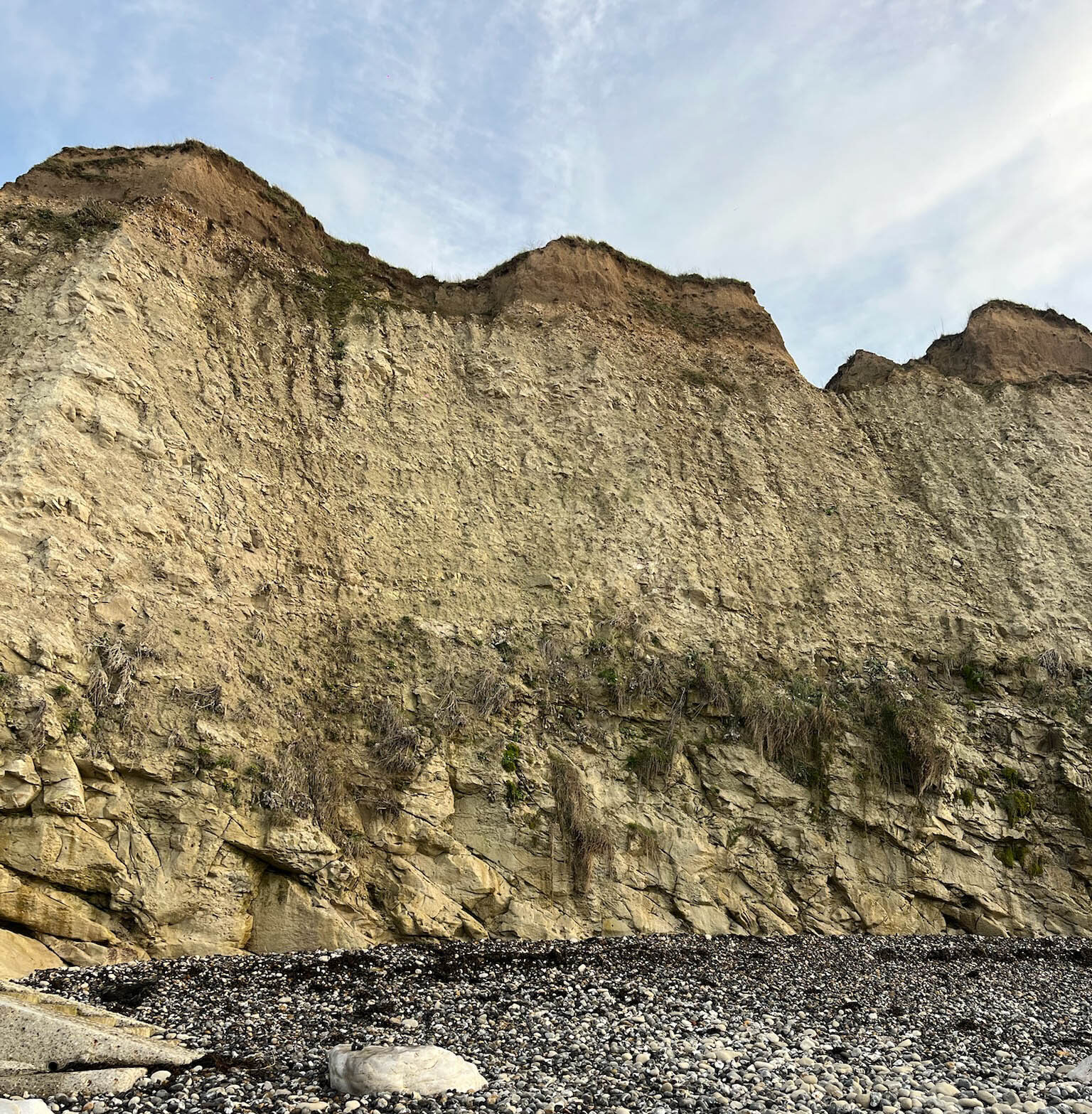
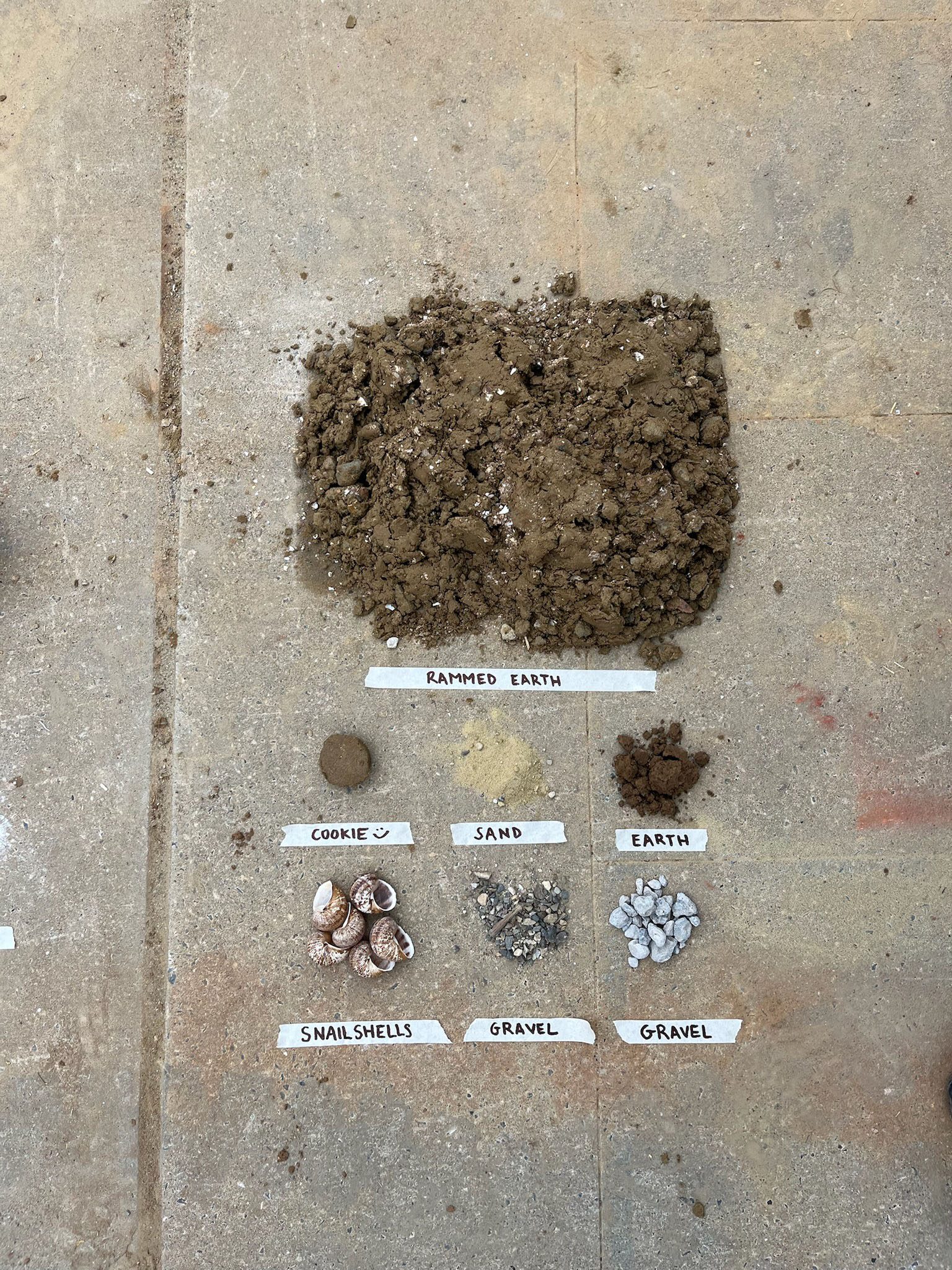
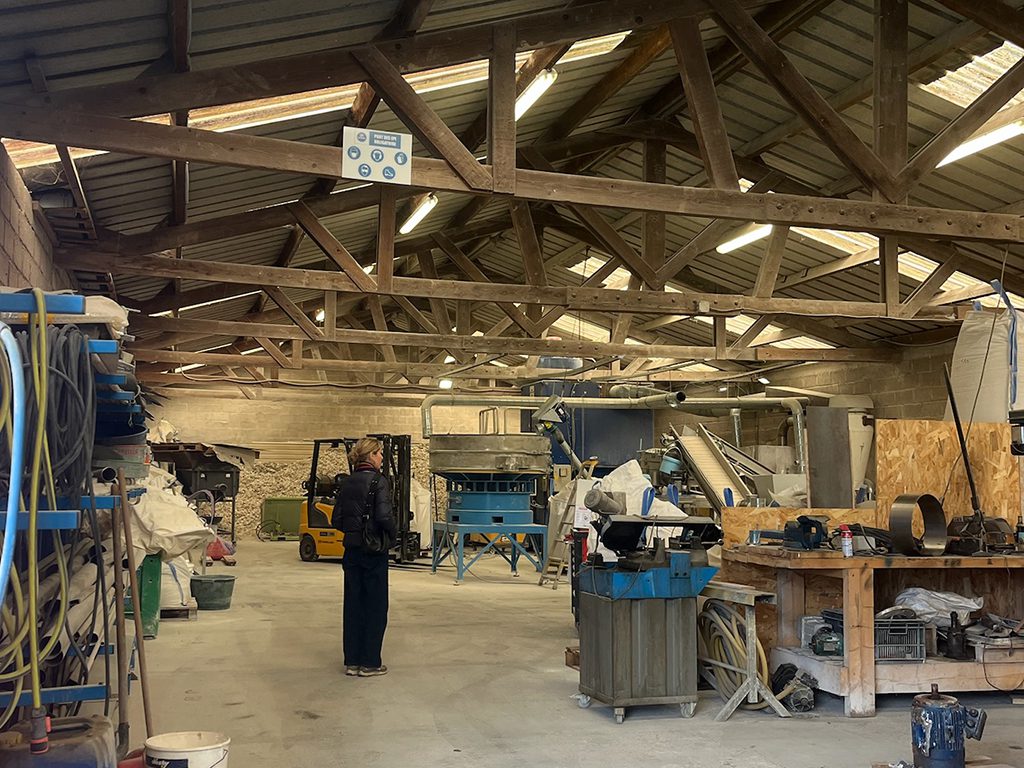
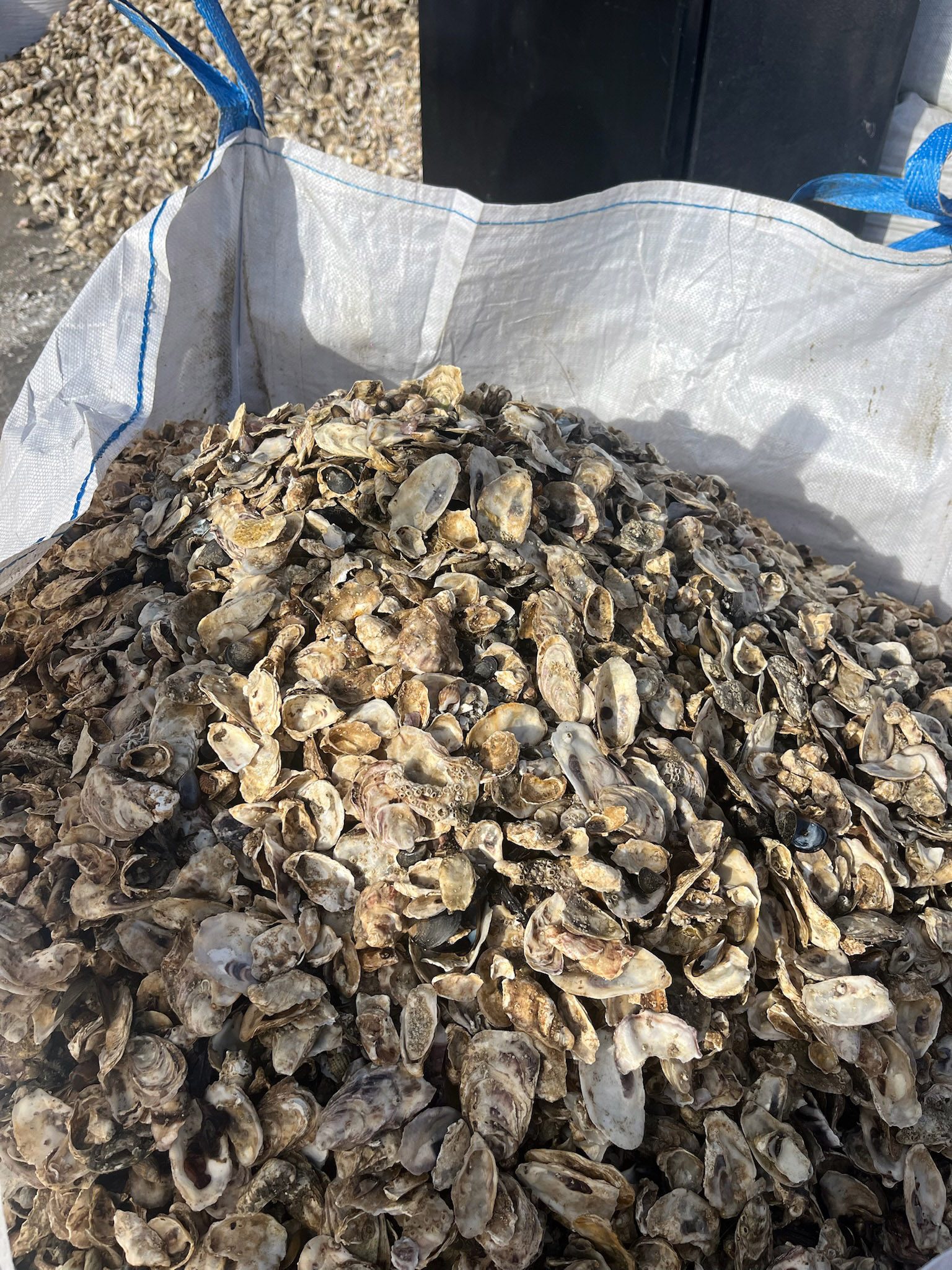
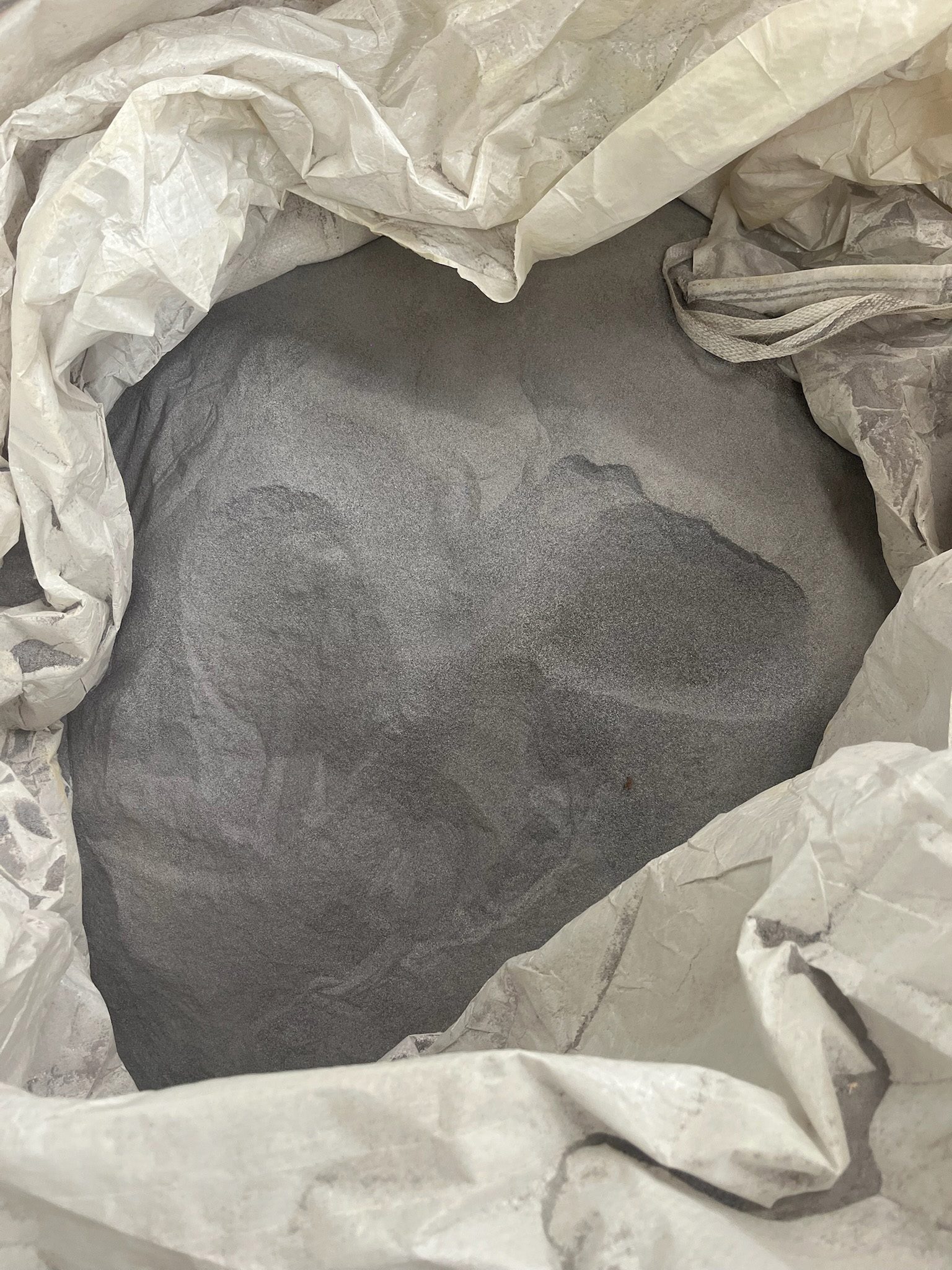
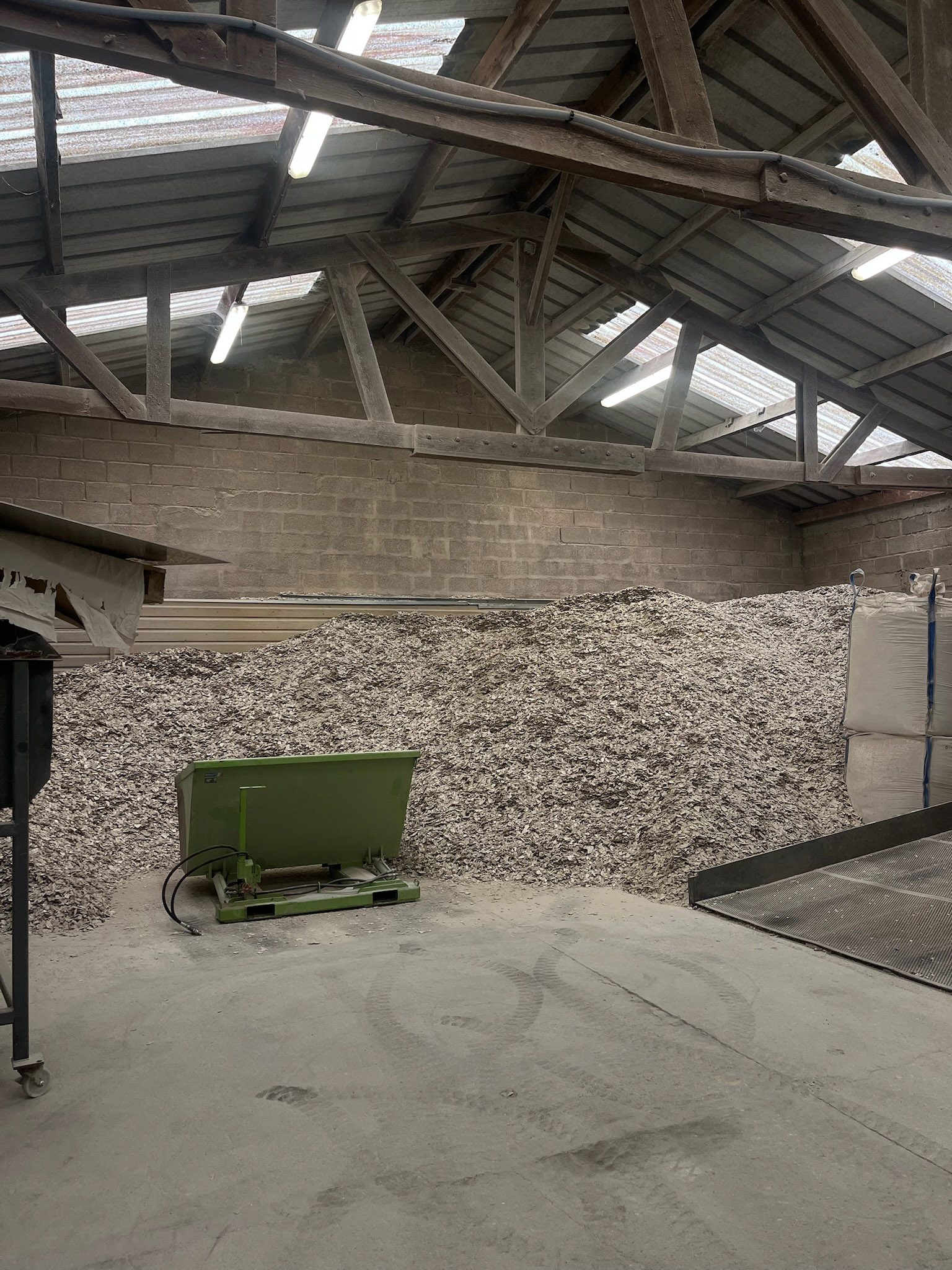
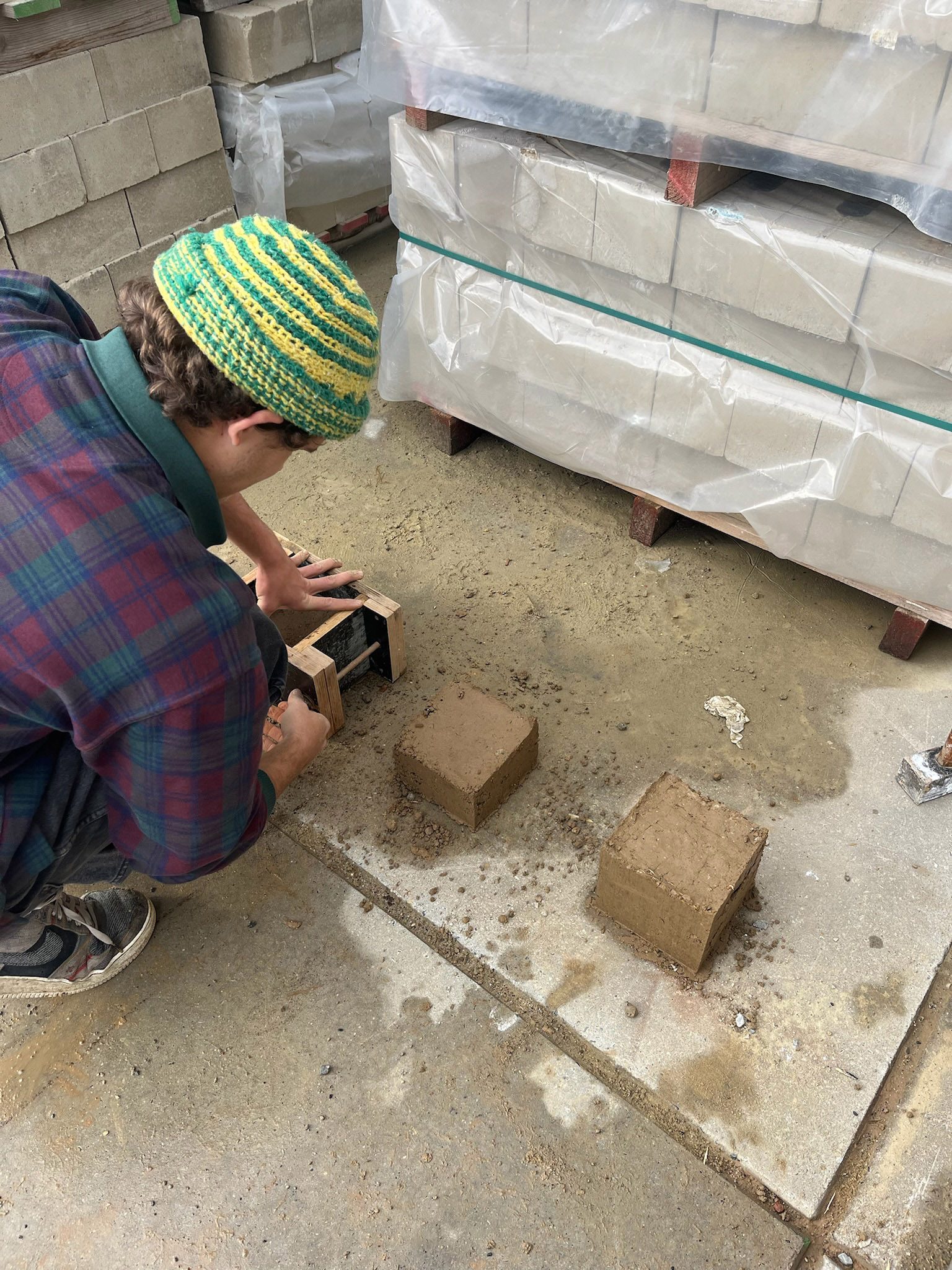
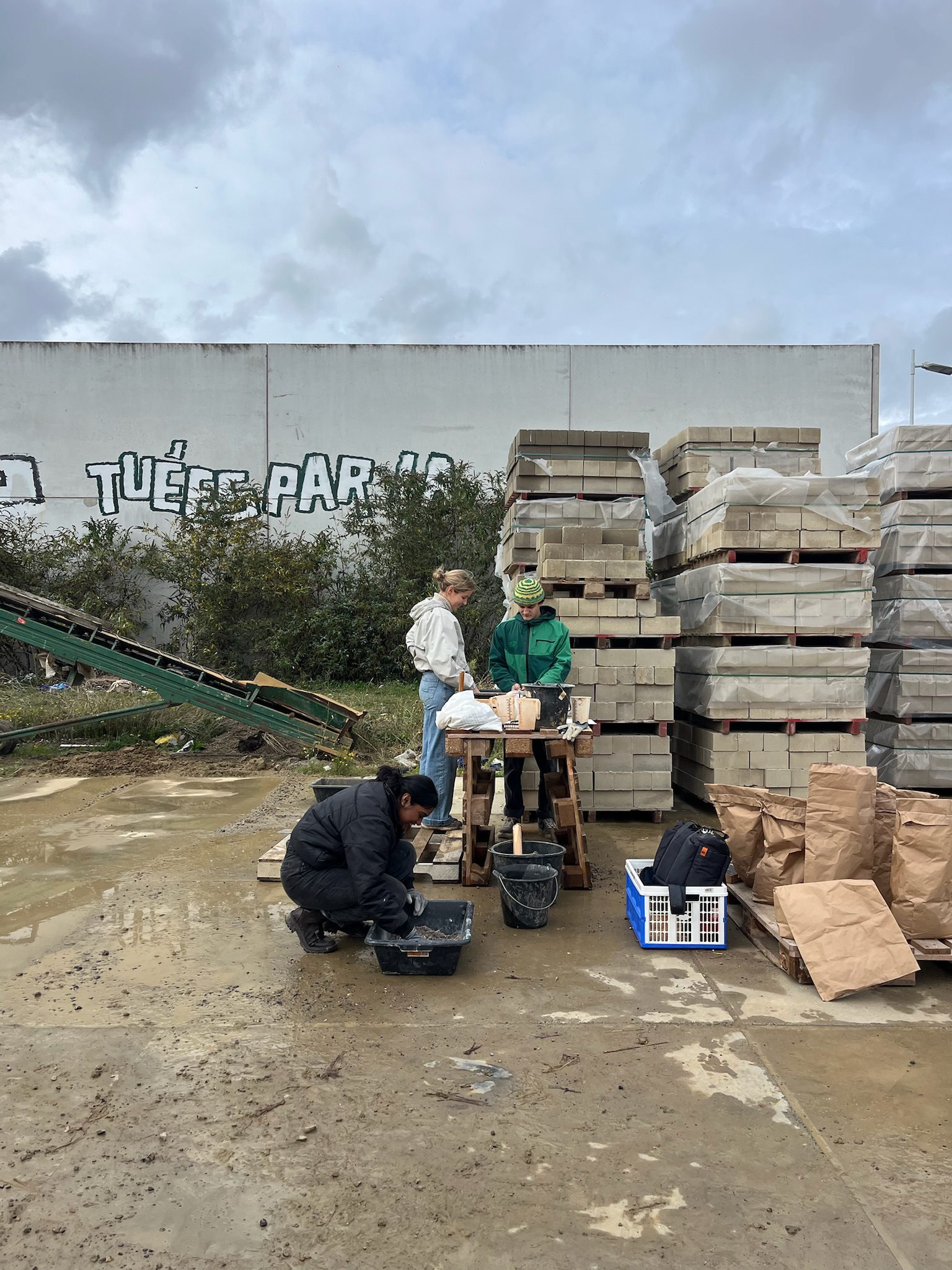
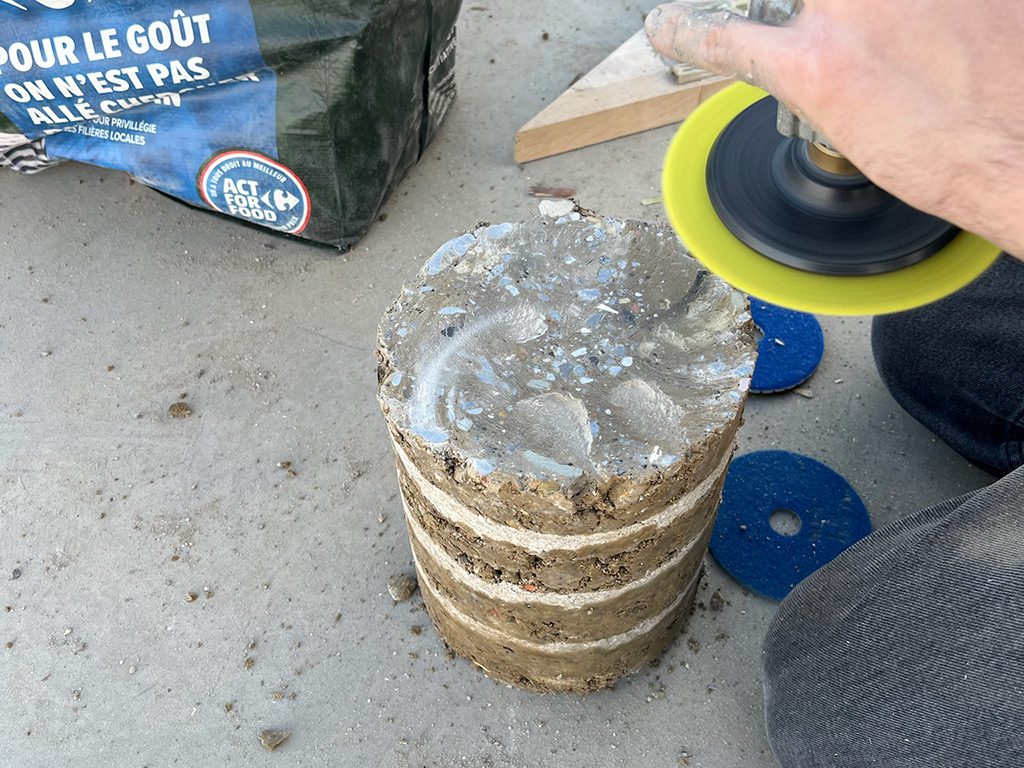
We started by reading about the history of earth as a construction material in ancient civilisations around the world, then moved on to researching the properties and building techniques of rough earth. From there, we studied the role of each component, such as gravel, sand, clay, fibres, and other waste streams, and how each one reinforces a building element, whether a block or a brick. We then collected a wide range of resources from the Nord-Pas-de-Calais region, including clay from Saint-Martin-Choquel, clay from Cap Blanc-Nez and Cap Gris-Nez, as well as mussels, scallops, oysters, and various powders in different sizes and forms. During the workshop days, we experimented with compressed earth blocks, rammed earth, and adobe blocks, following existing recipes and developing them further through our research. The trial and error process included replacing some components with waste streams we collected from the region, such as seashell powder, or fibres like straw and hemp. We learnt that the perfect recipe isn’t found by writing percentages; instead, it emerges through making and testing different ratios until we find what works.
process







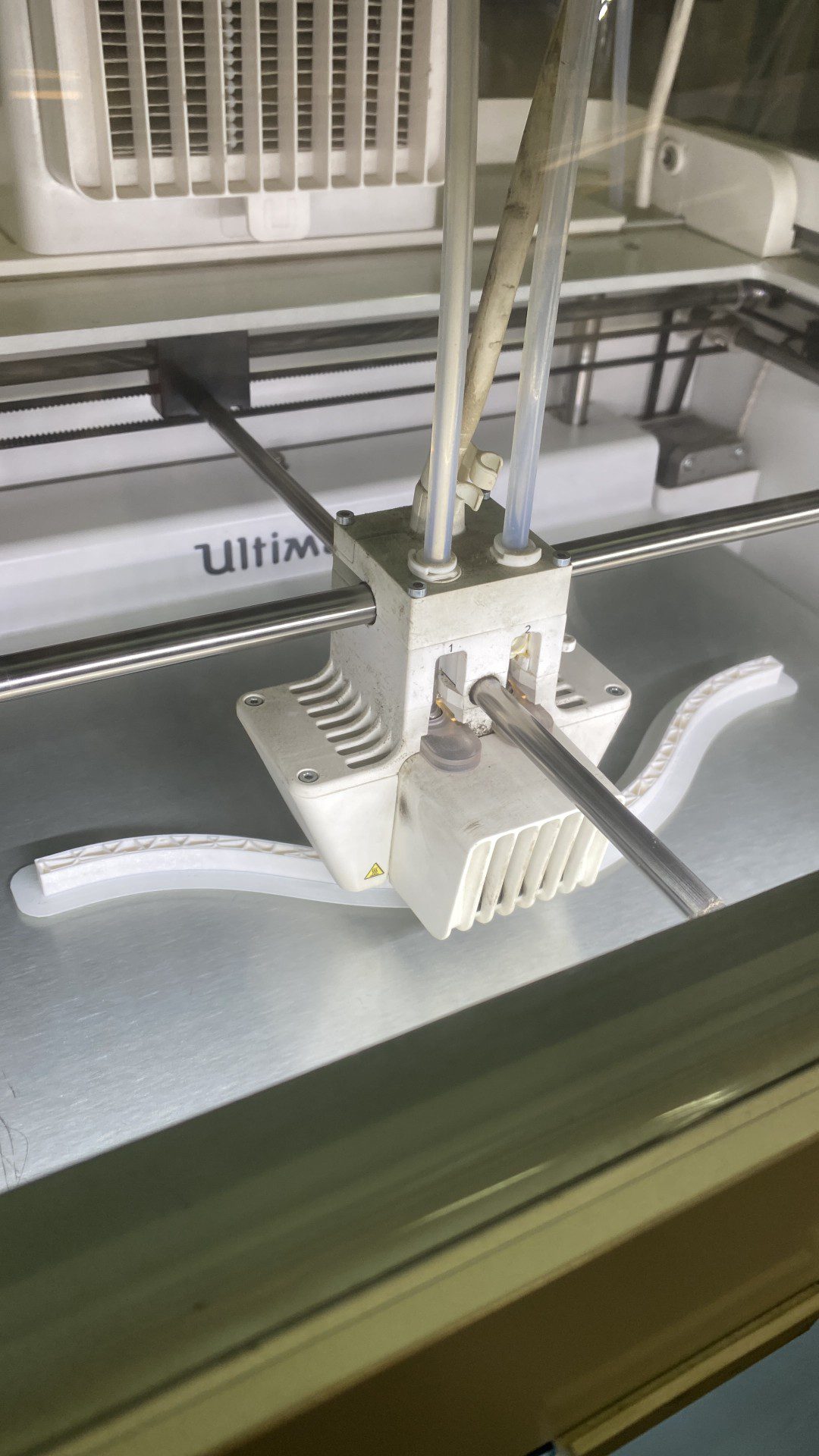
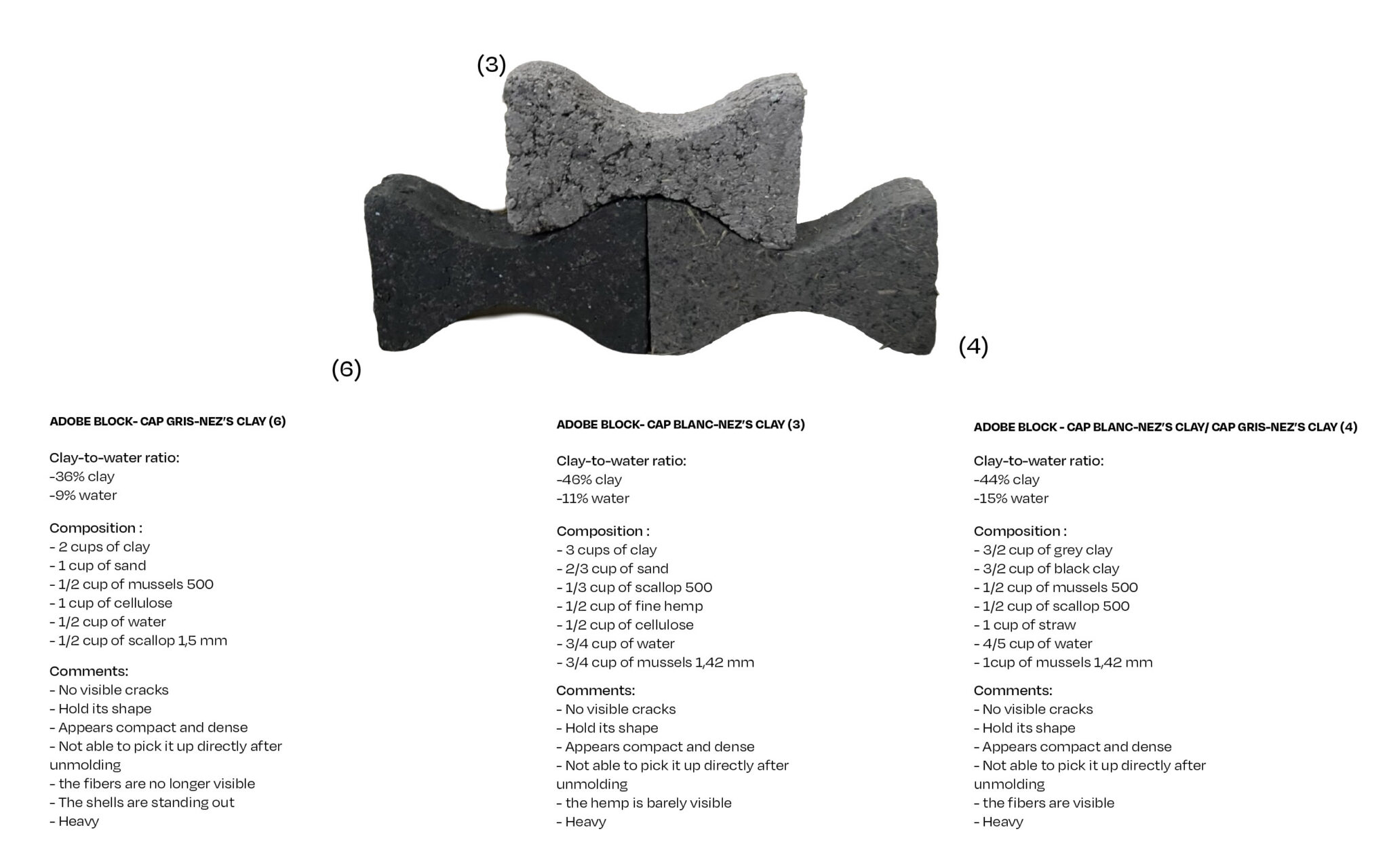
After identifying three recipes that performed best in terms of cohesion, durability, and strength, we wanted to take the experiment further by designing a block that did not require cement or mortar. The idea was to create a shape that could be stacked and held together purely through its curvature. The next challenge was creating a mould, which we eventually 3D printed. In the end, we found that our new shape held together well after allowing it to dry for several weeks. To take the experiment further, we would widen the curved block to prevent it from tipping over if used in wall construction. Although we initially designed it as an internal wall element, it could also be used externally, provided it is protected by an overhanging roof and set on a plinth.
samples