Natural stone/lime
On circular materials and processes
Anett Maiste - Nand Vernimmen - Manuel Urbano Figueiredo - Renée Van de Wiele - Yara-Lina Haack - Anett Maiste - Nand Vernimmen - Manuel Urbano Figueiredo - Renée Van de Wiele - Yara-Lina Haack - Anett Maiste - Nand Vernimmen - Manuel Urbano Figueiredo - Renée Van de Wiele - Yara-Lina Haack -

Natural stone/lime
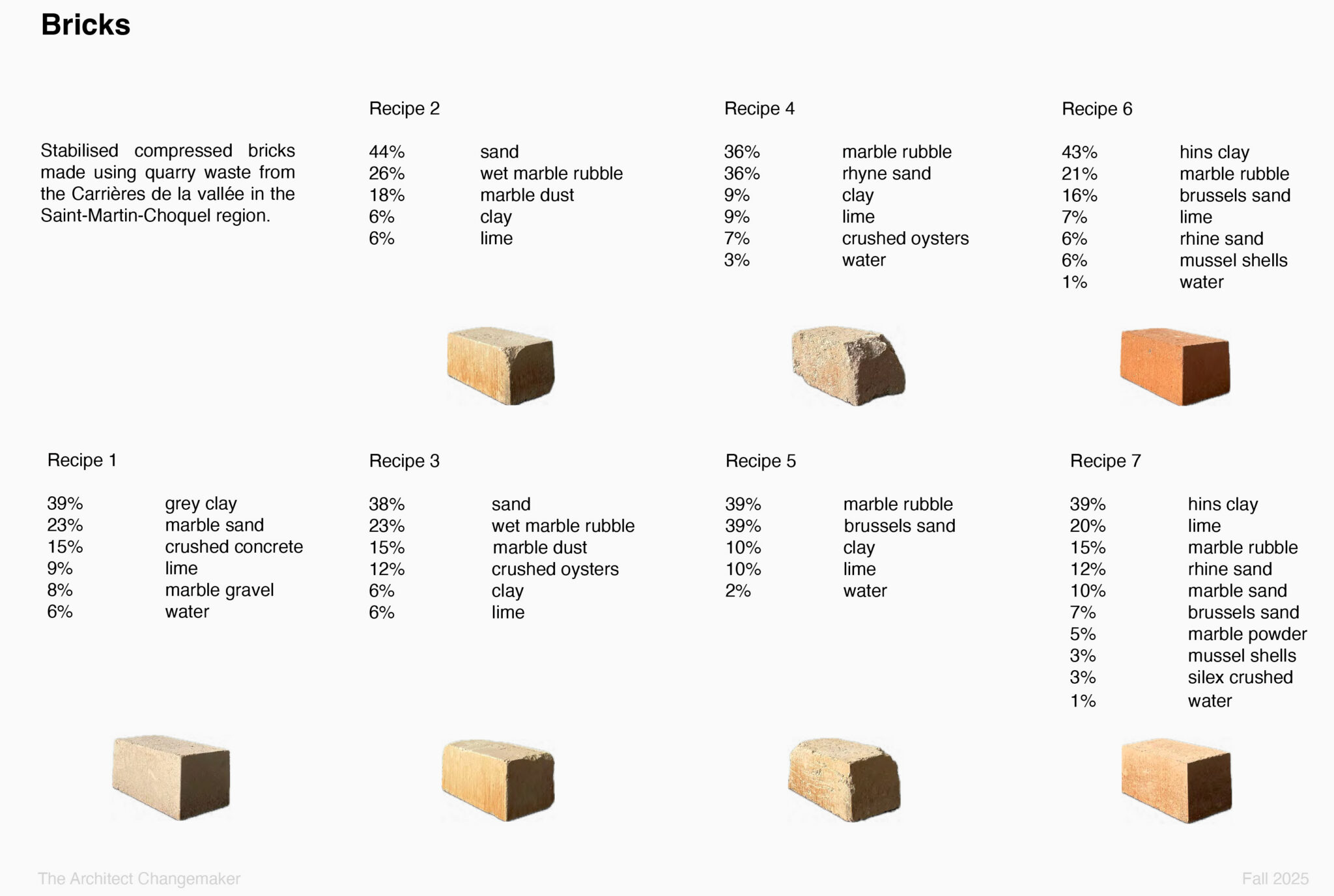
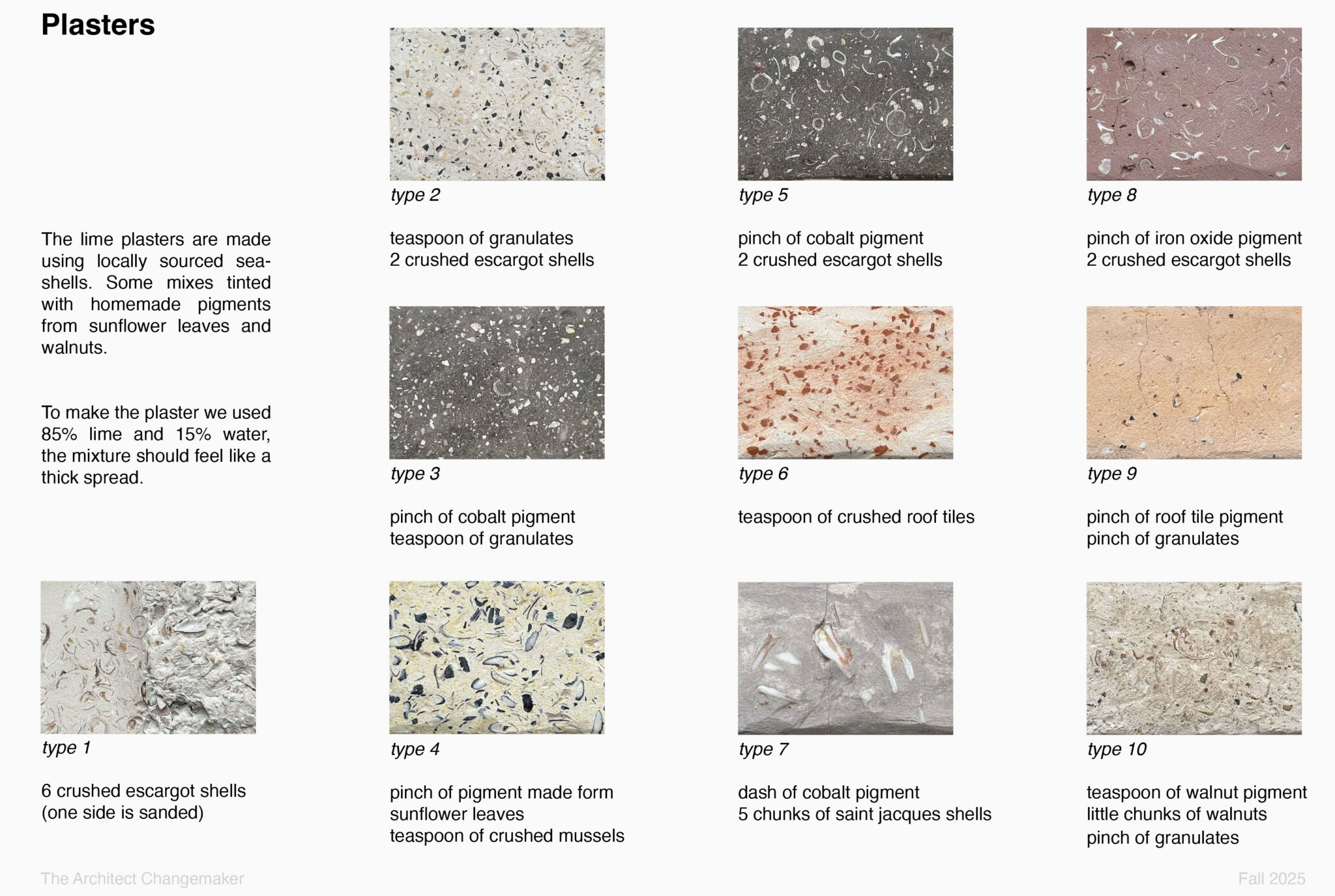
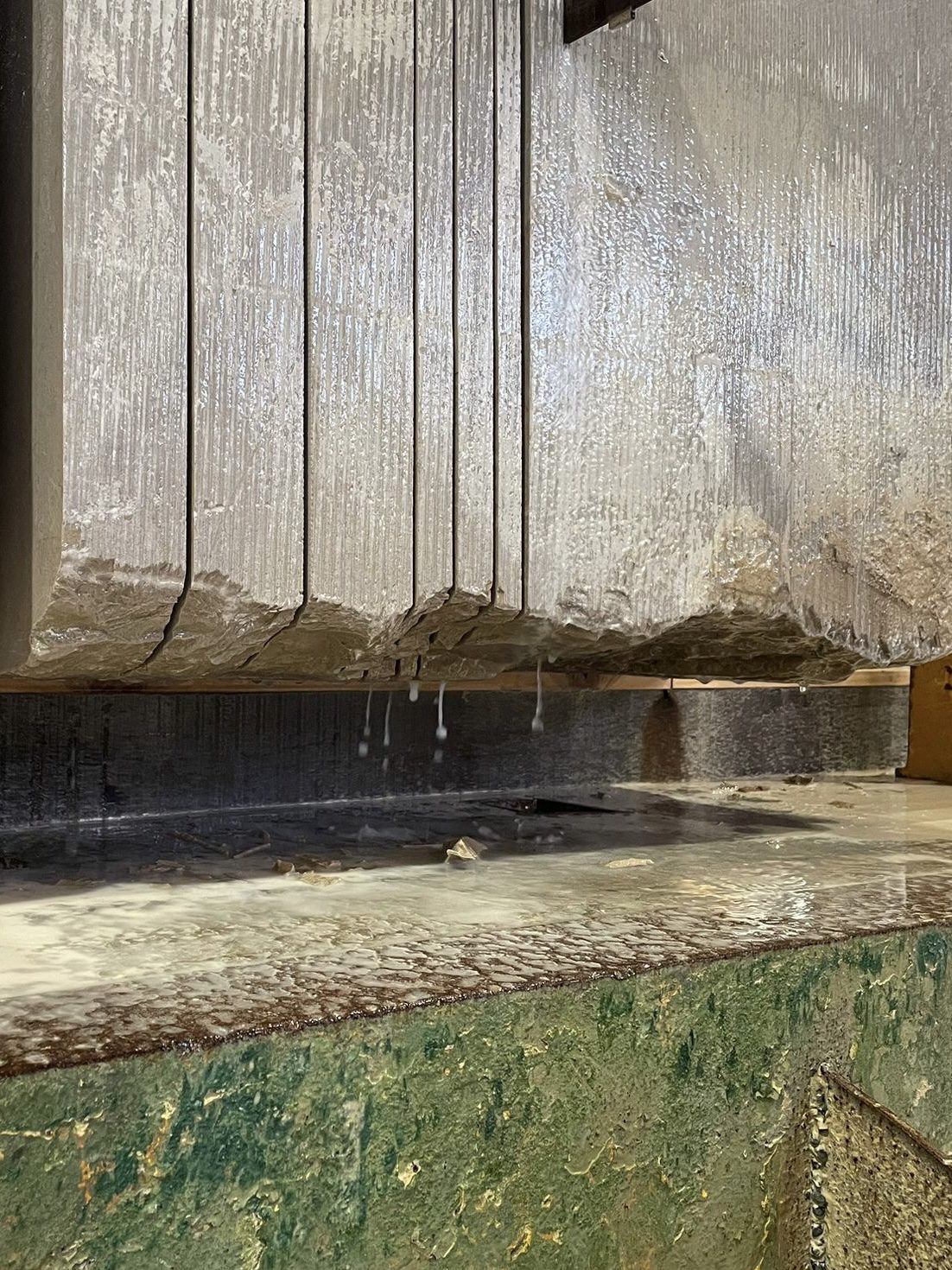
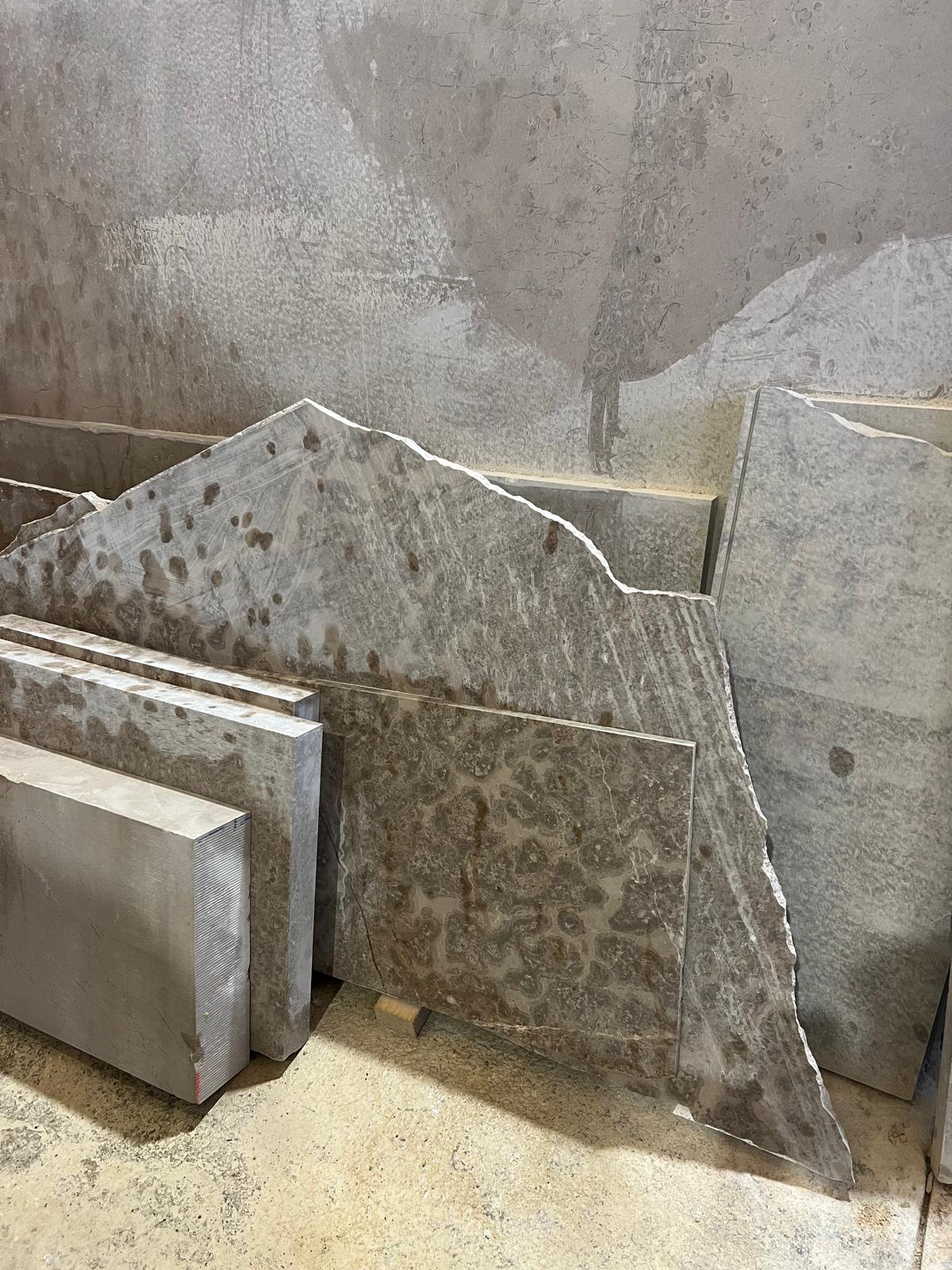
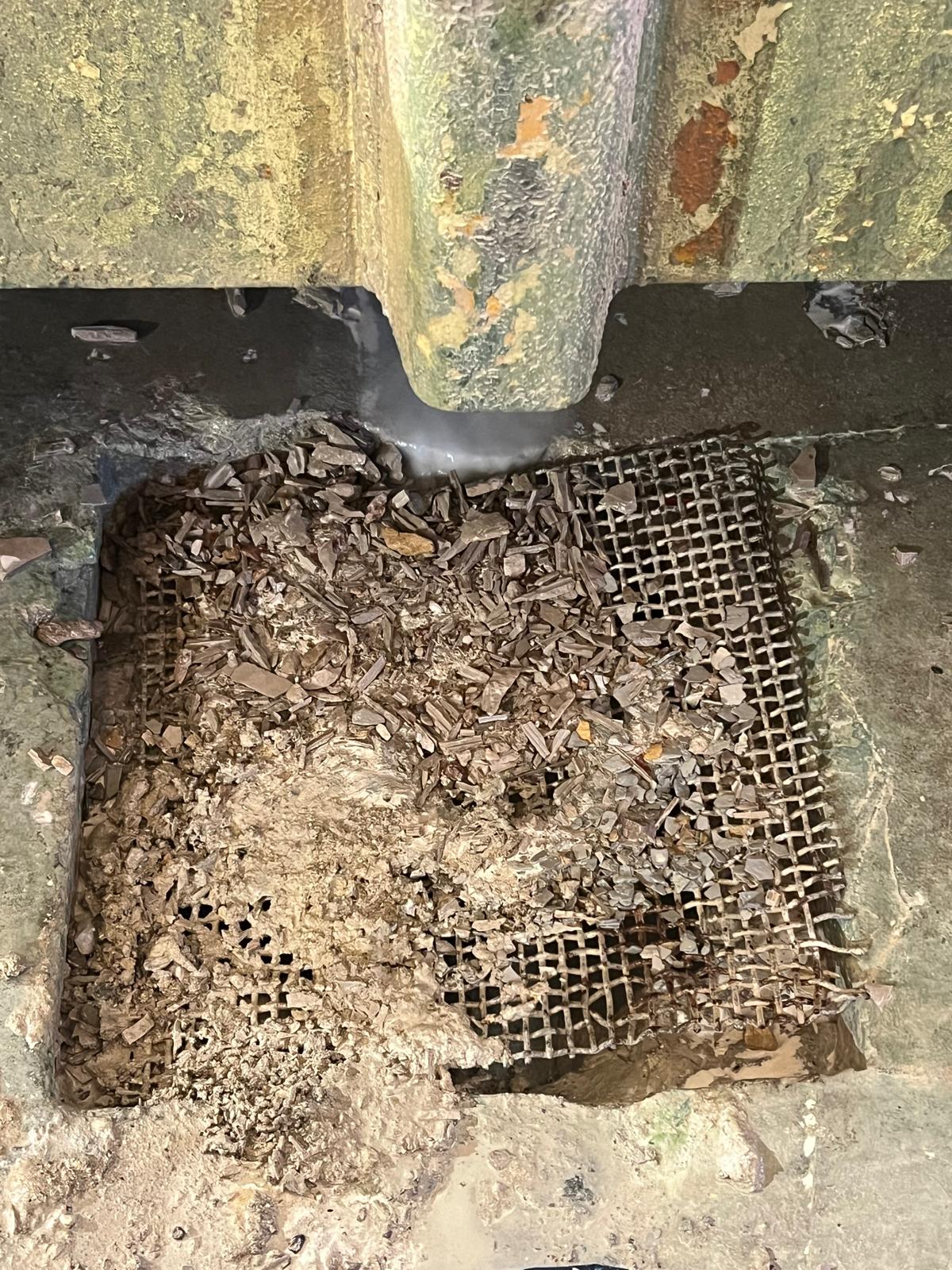
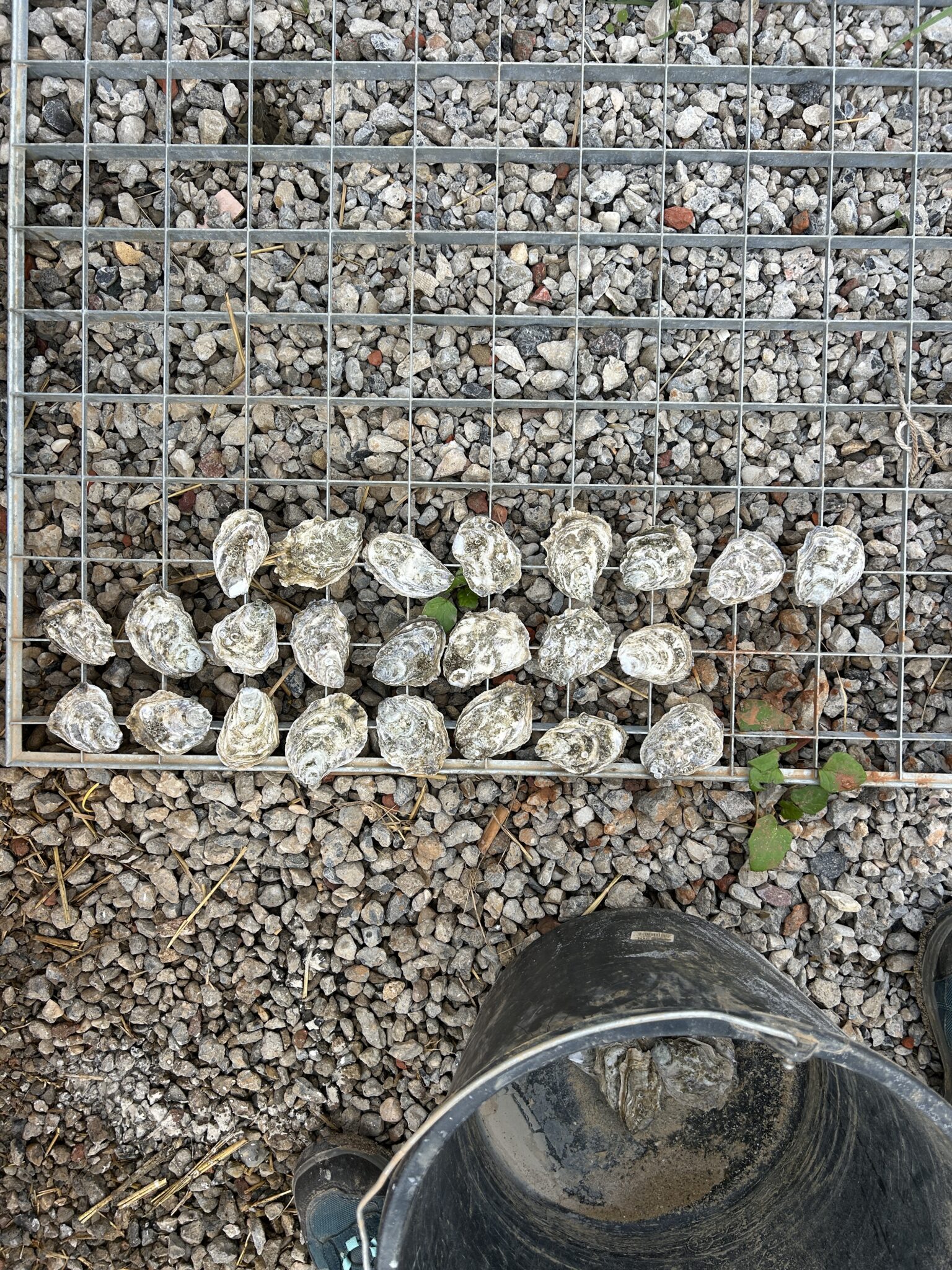
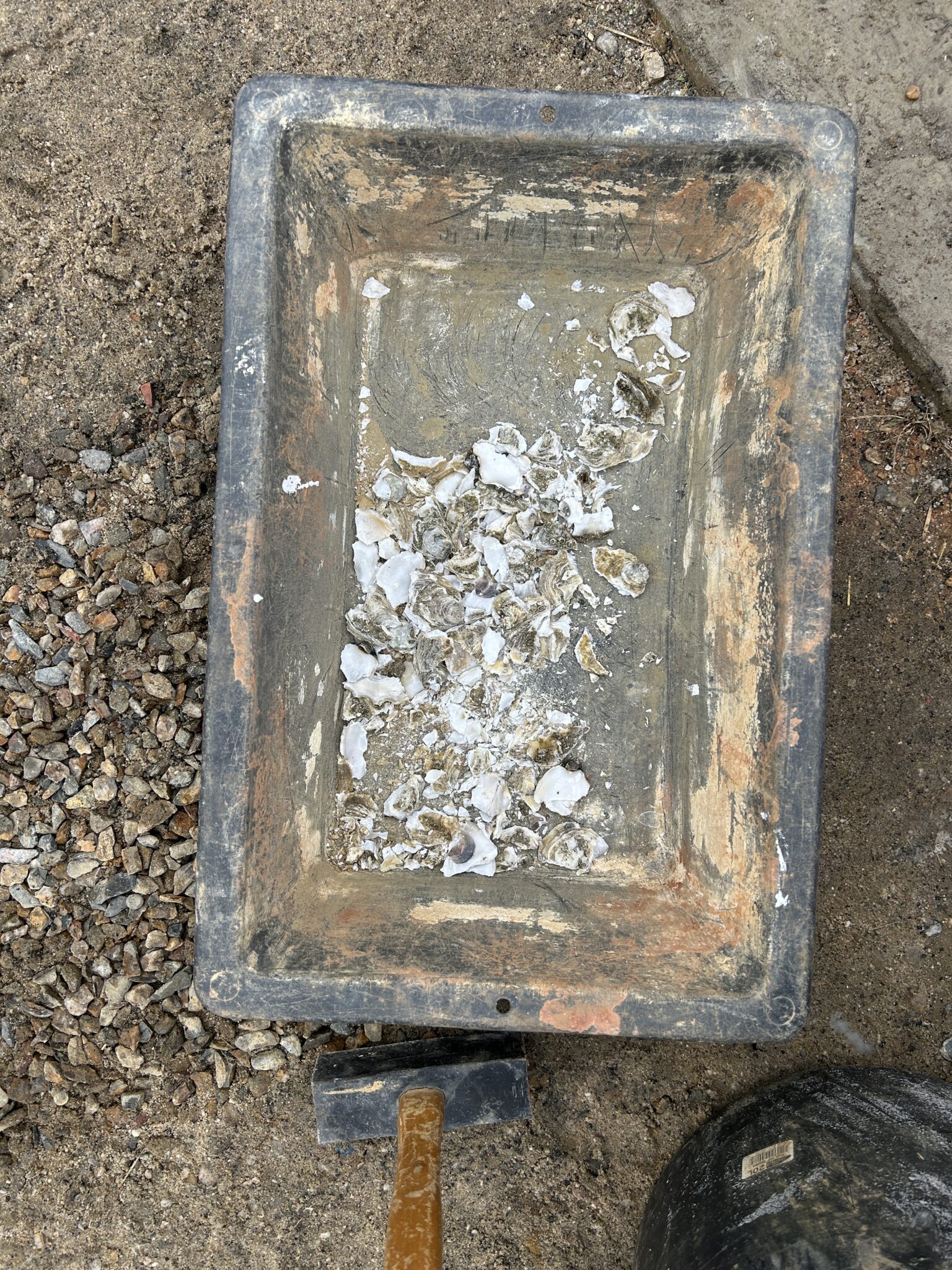
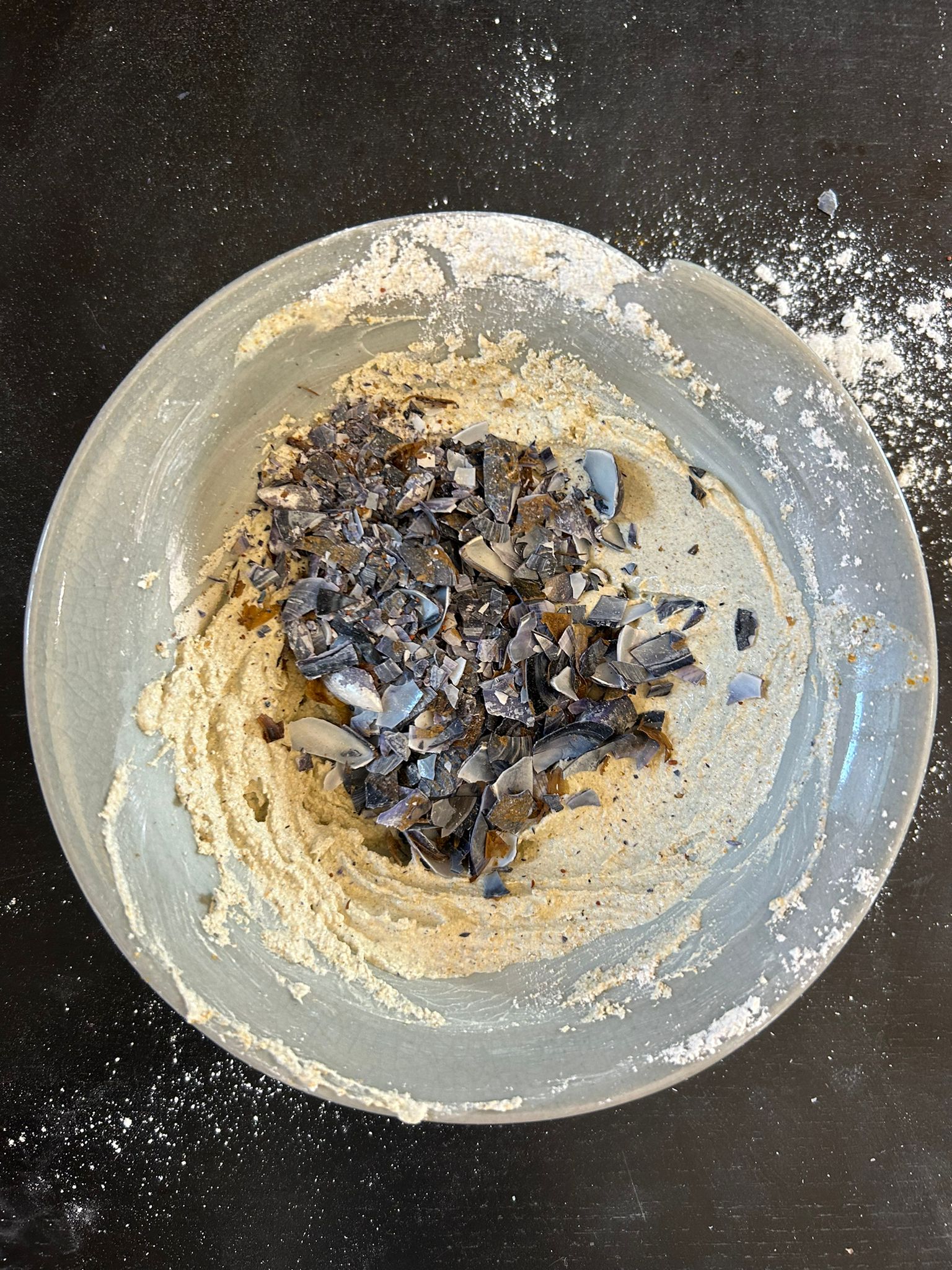
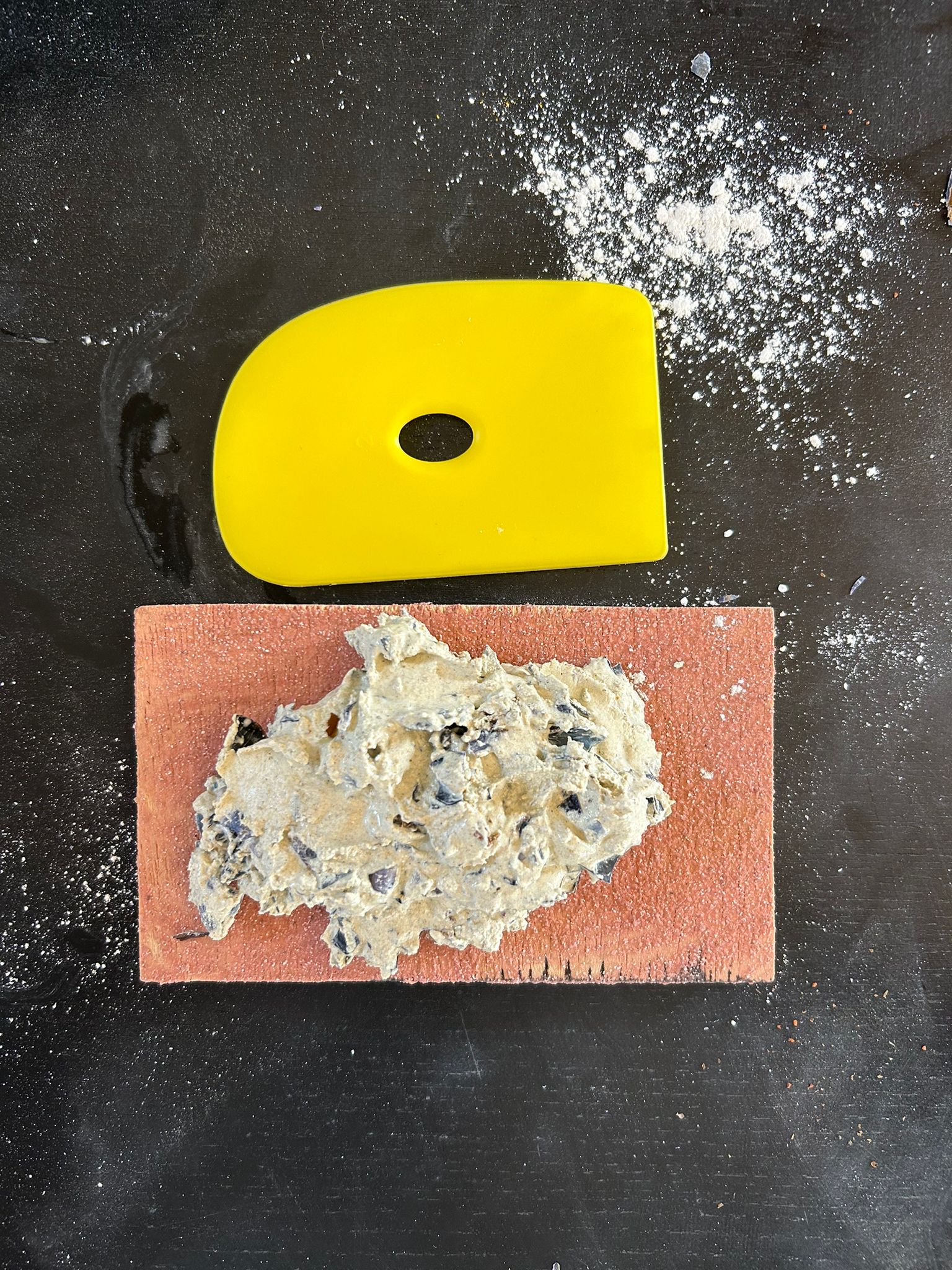
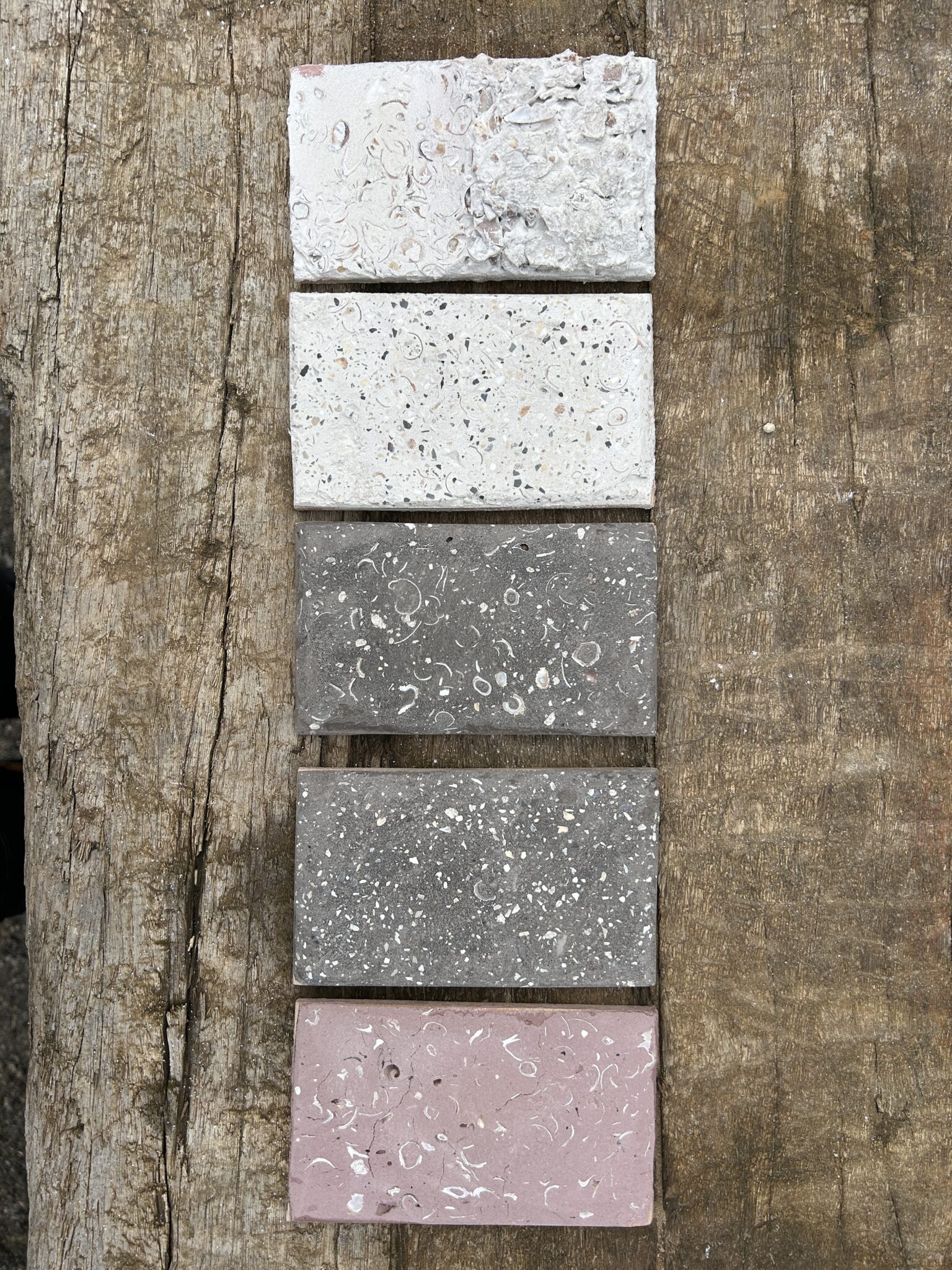
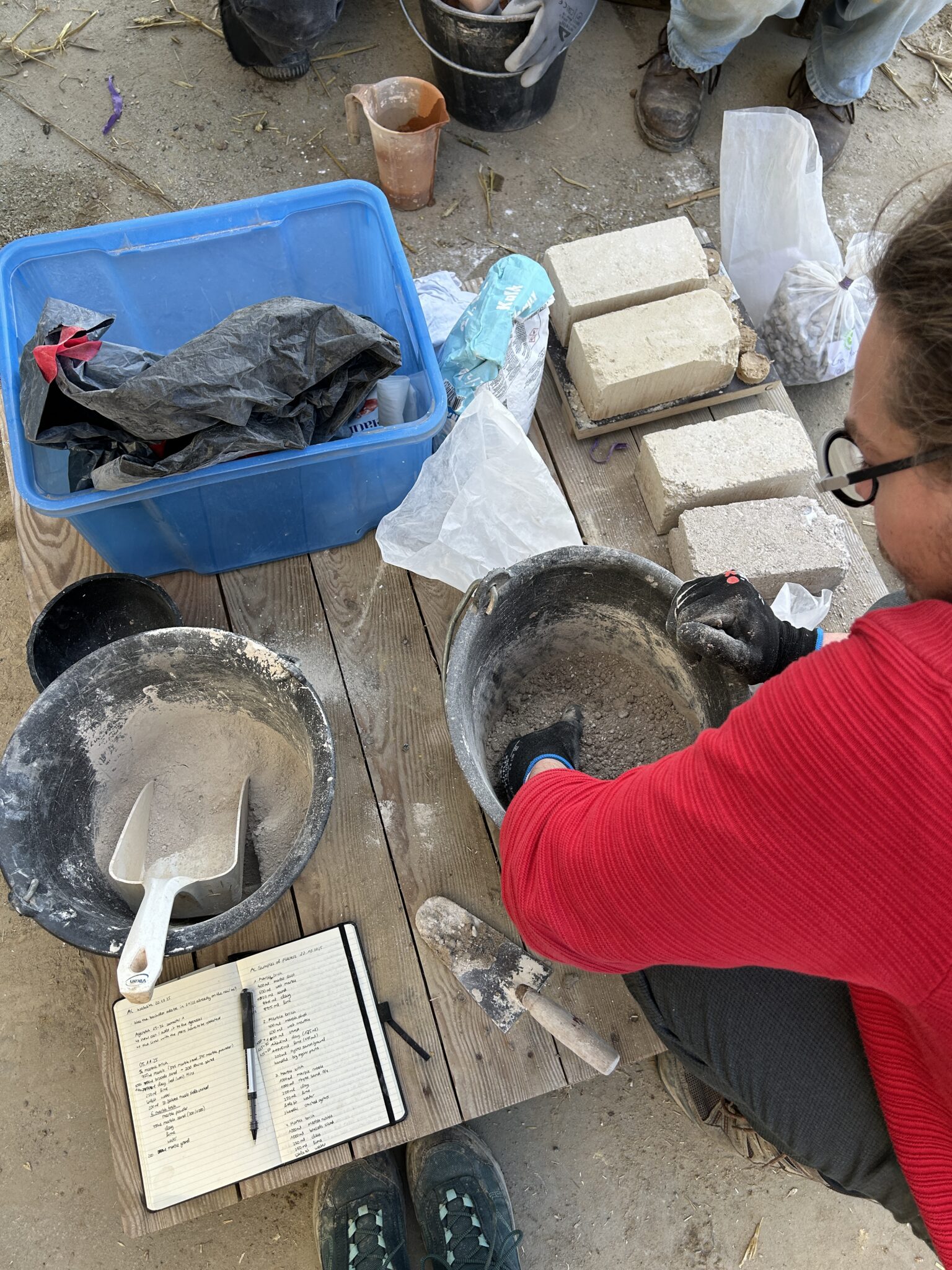
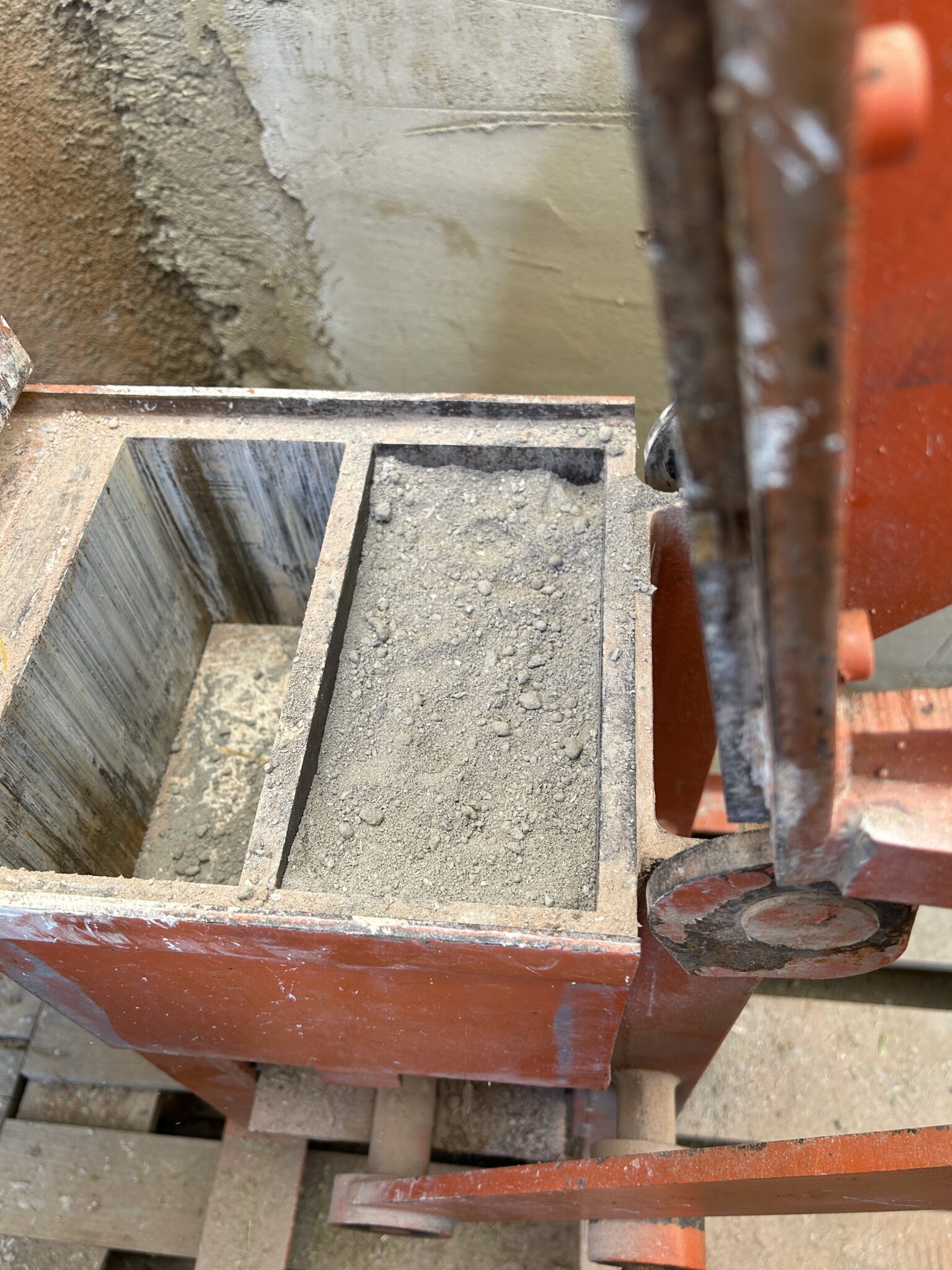
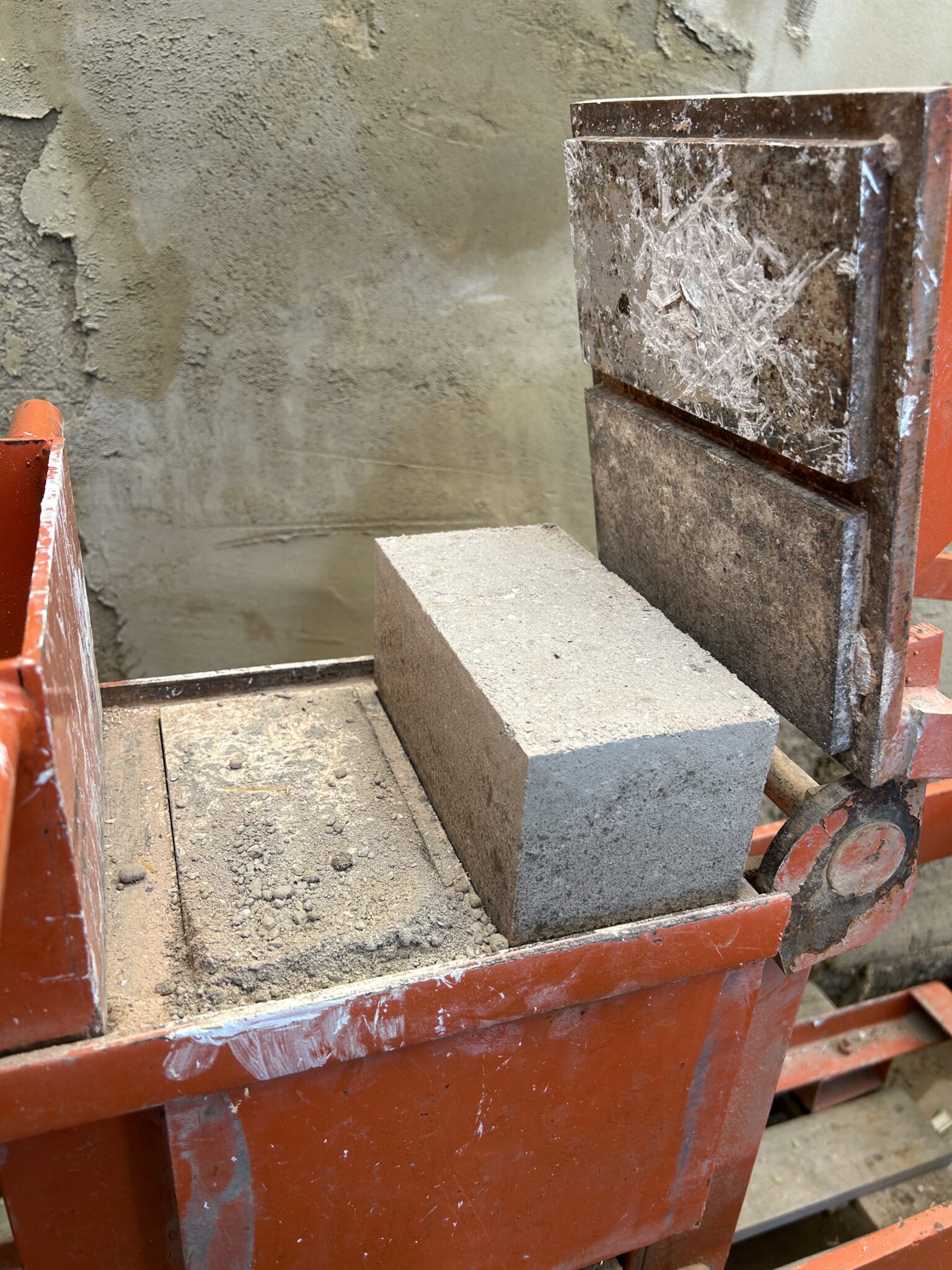
Stone and lime is a collective working at the intersection of geology, craft, and material experimentation. Our research began with a visit to the Carrière de la Vallée Heureuse, a limestone quarry in the neighborhood of Saint-Martin-Choquel. From this site, we gathered discarded and waste materials, using them as the starting point for a series of experiments that explore transformation, reuse, and local material cycles. Using quarry waste, we developed six different types of bricks, varying compositions, aggregates, and textures. These bricks function both as construction elements and as material records, reflecting the geological and industrial processes of the site itself. Alongside this, we experimented extensively with lime plaster, testing its behavior, surface qualities, and interaction with other materials. Our research expanded into the production of natural pigments, which we created from sunflower leaves and walnut. These pigments were incorporated into plasters and surfaces, allowing us to explore color as a material process rooted in organic matter and seasonal cycles. We also introduced a range of shell-based additives escargot shells, mussel shells, and Saint-Jacques shells crushed or fragmented to act as aggregates, reinforcing the material while referencing coastal and culinary waste streams. In addition, fragments of roof tiles were integrated into our mixtures, creating contrasts between fired clay, lime, and limestone. Through these experiments, Stone and Lime investigates how discarded materials can be reactivated, how local resources carry cultural and geological narratives, and how traditional building techniques can be reinterpreted through contemporary ecological concerns.
Process

booklet